From Ultra-Fine to High-Strength: The Evolution and Applications of Basalt composites represent a transformative advancement in modern materials science, evolving from ultra-fine filaments to high-strength reinforcements that address critical challenges across industries. Derived from natural volcanic rock, these materials combine sustainability with exceptional performance, making them ideal for applications demanding durability, efficiency, and environmental responsibility. This article explores the current market landscape, innovative applications in civil engineering, and pioneering developments by industry leaders like JuMeiSheng New Materials. By delving into real-world use cases and technological breakthroughs, we highlight how basalt composites are not just materials of the future but practical solutions for today's sustainability goals.
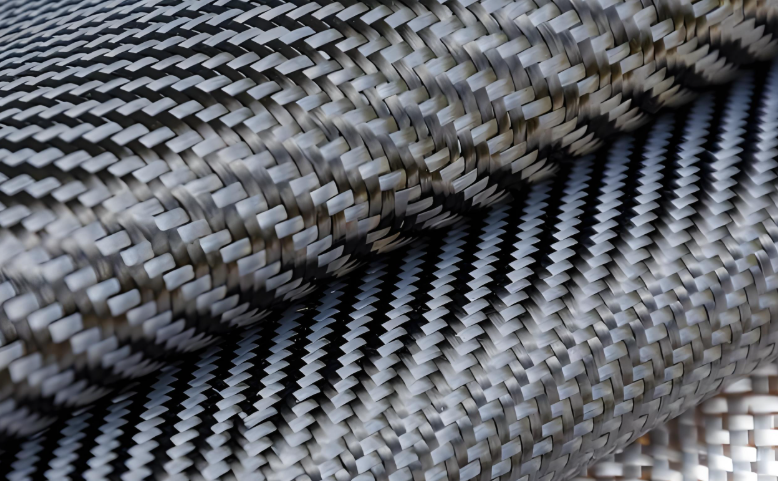
1. Market Status of Basalt Fiber Composites
The global basalt fiber market is experiencing robust growth, driven by increasing demand for eco-friendly and high-performance alternatives to traditional materials. Current estimates indicate a compound annual growth rate (CAGR) of over 12%, with projections suggesting the market will surpass $500 million by 2030. This expansion is fueled by regulatory pressures for carbon reduction, such as the EU's Green Deal and global initiatives promoting circular economies. Key drivers include:
- Sustainability Trends: As industries shift toward low-carbon footprints, basalt fibers—sourced from abundant volcanic rock—offer a recyclable, non-toxic option with minimal environmental impact during production.
- Cost-Effectiveness: Advances in manufacturing have reduced costs by 20-30% over the past decade, making basalt composites competitive with carbon fiber or fiberglass in sectors like construction and automotive.
- Diverse Adoption: Emerging markets in Asia-Pacific and North America are leading adoption, with infrastructure projects and green technology investments accelerating integration. For potential clients, this growth signifies not only market stability but also lucrative opportunities for innovation partnerships and supply chain diversification.
2. Applications in Civil Engineering
Basalt fiber composites are revolutionizing civil engineering by enhancing structural integrity, longevity, and sustainability. Their unique properties—including high tensile strength, corrosion resistance, and thermal stability—make them indispensable in modern infrastructure.
2.1 Innovation in Concrete Structures
Concrete remains a cornerstone of construction, yet it generates over 50% of global construction waste, primarily from discarded concrete. This waste contributes significantly to carbon emissions, with the cement industry alone accounting for 8% of global CO2 output. To combat this, recycled concrete has gained traction but faces limitations like reduced strength (often 20-30% lower than virgin concrete) and poor durability. Basalt fibers provide a breakthrough solution:
- Performance Enhancement: When integrated into recycledalt fibers act as micro-reinforcements, improving crack resistance and load-bearing capacity. Research from leading institutions shows up to 40% increases in split-tensile strength and 35% gains in flexural strength, effectively mitigating defects.
- Sustainability Impact: By enabling higher utilization of recycled aggregates (up to 70% in some mixes), basalt fibers support circular economy goals, reducing landfill waste and lowering embodied carbon by approximately 15%. For clients in structures with reduced maintenance costs and compliance with green building standards like LEED.
2.2 Preferred Choice for Road and subject to heavy traffic loads and environmental degradation, leading to frequent repairs that cost billions annually. Basalt fiber composites, composed of resin matrices reinforced with basalt fibers, offer superior alternatives:
- Mechanical Advantages: These materials exhibit exceptional properties such as high strength-to-weight ratios (up to 4 times stronger than steel per unit weight to chemical corrosion, extending infrastructure lifespan by 20-30 years.
- Real-World Efficacy: Case studies from projects like the renovation of aging bridges in Europe demonstrate that basalt-reinforced composites reduce deformation under load by 25%, ensuring safety and minimizing lifecycle costs. For infrastructure developers, adopting these composites means enhanced project resilience and reduced downtime, with potential savings of 15-20% in total ownership expenses.
2.3 Green Upgrading in Highway Construction, but asphalt production is energy-intensive, contributing to 2-3% of global greenhouse gas emissions. Recycling asphalt reduces waste, yet traditional methods face issues like early cracking in recycled mixes. Basalt fibers enable greener solutions:
- Performance Optimization: Incorporating basalt fibers into recycled asphalt mixtures enhances low-temperature crack resistance by 30% and high-temperature stability by 25%, as validated by field trials. This allows for higher recycled content (up to 50%) without compromising road performance.
- Eco-Friendly Innovations: To address toxic-mix recycling, warm-mix technologies combined with basalt fibers have been developed. These methods reduce energy consumption by 20-25% and lower emissions of volatile organic compounds (VOCs) by 40%, achieving optimal cooling ranges of 10-15°C. For highway authorities and contractors, this approach offers a path to net-zero targets while cutting operational costs by 10-15%.
2.4 Novel Solution for Automotive Exhaust Purification
Transportation emissions remain a major decarbonization challenge, with vehicles contributing 20-25% of traction, internal combustion engines still dominate, necessitating effective exhaust treatment. Basalt fibers provide an innovative purification method:
- Efficiency Gains: Leveraging their large surface area and thermal stability (up to 700°C), basalt fibers serve as catalyst carriers in exhaust systems. Through pneumatic hybrid techniques, catalysts are embedded in fiber pores, extending reaction times and increasing load capacity. Studies report purification efficiencies exceeding 98% for CO and CO2, significantly reducing health risks.
- Broader Implications: This technology, already in pilot phases with automotive OEMs, could slash fleet emissions by 15-20% without major redesigns. For manufacturers, it represents a cost-effective retrofit opportunity, enhancing compliance with emissions regulations like Euro 7.
3. JuMeiSheng New Materials: Pioneering Ultra-Fine High-Strength Basalt Fiber
As a leader in the basalt fiber industry, JuMeiSheng New Materials basalt fiber manufacturer drives innovation with its "ultra-fine high-strength basalt fiber." Based in China, the company is the nation's sole specialist in ultra-fine fiber R&D, committed to making materials "more efficient and sustainable." Their breakthroughs set new benchmarks for performance and application versatility.
| Specification |
Sizing |
Density |
Gram Weight
(g/㎡) |
Thickness
(mm) |
Combustible Matter Content(%) |
L.0.I
(%) |
Air Permeability
(mm/s) |
| BF106 |
Weaving enhanced type |
22.0*22.0±0.2 |
32±2.0 |
0.033±0.012 |
0.09-1.2% |
0.12±0.05 |
4500-6000 |
| BF1080 |
Weaving enhanced type |
23.6*19.0±0.2 |
48±2.0 |
0.048±0.012 |
0.08-0.09% |
0.12±0.05 |
4500-5000 |
| BF3313 |
Weaving enhanced type |
23.6*24.4±0.2 |
60±2.0 |
0.065±0.012 |
0.08-0.09% |
0.12±0.05 |
1000-2000 |
| BF2116 |
Resin reinforced type |
23.6*22.7±0.2 |
100±3.0 |
0.100±0.012 |
0.08-0.09% |
0.12±0.05 |
500-1000 |
3.1 High-Strength Basalt Fiber: The Ideal Choice for Multiple Domains
The products of JuMeiSheng basalt fiber supplier excels in tensile strength (over 4,800 MPa), heat resistance (stable up to 800°C), and chemical stability, ensuring reliability in harsh environments. Applications span:
| Specification |
Sizing |
Linear Density
(tex) |
Single fiber diameter
(um) |
combustible matter content(%) |
water content
(%) |
breaking strength
(N/tex) |
| BCS-80-5(RS803,8*1) |
Weaving enhanced type |
8±0.40 |
5±0.25 |
1.0-1.25% |
≤0.20 |
≥0.8 |
| BCS-80-6(RS803,11*1) |
Weaving enhanced type |
11±0.55 |
6±0.3 |
1.0-1.25% |
≤0.20 |
≥0.75 |
| BCS-80-6(RS803,16.5*1) |
Weaving enhanced type |
15±0.75 |
7±0.35 |
1.0-1.25% |
≤0.20 |
≥0.7 |
| BCS-80-6(RS803,22*1) |
Weaving enhanced type |
22±1.10 |
9±0.45 |
1.0-1.25% |
≤0.20 |
≥0.7 |
| BCS-80-6(RS804,22*1) |
Resin reinforced type |
11±0.55 |
6±0.3 |
1.0-1.25% |
≤0.20 |
≥0.75 |
| BCS-80-6(RS804,22*1) |
Resin reinforced type |
15±0.75 |
7±0.35 |
1.0-1.25% |
≤0.20 |
≥0.7 |
| BCS-80-6(RS804,22*1) |
Resin reinforced type |
22±1.10 |
9±0.45 |
1.0-1.25% |
≤0.20 |
≥0.7 |
- Aerospace: Used in aircraft components to reduce weight by 20-30%, enhancing fuel efficiency and payload capacity.
- Civil Engineering: Reinforces infrastructure, such as bridges and tunnels, improving seismic resistance and durability.
- Automotive and Environmental Sectors: Facilitates lightweighting and exhaust purification, aligning with net-zero initiatives. For clients, this fiber offers a versatile, high-ROI material that outperforms alternatives in safety-critical scenarios.
3.2 Technological Innovation: Leading Industry Advancement
JuMeiSheng collaborates with the National Basalt Fiber Engineering Center to maintain cutting-edge production. Key innovations include:
- Patented Processes: Over 15 patents optimize raw material selection and precision-controlled manufacturing (e.g., temperature and pressure adjustments), boosting fiber consistency and reducing defects by 30%.
- Efficiency Gains: Advanced techniques, such as automated drawing systems, lower production costs by 25% while increasing output capacity. This positions JuMeiSheng as a strategic partner for scalable, high-quality supply chains.
3.3 Product Portfolio: Meeting Diverse Industrial Needs
JuMeiSheng offers tailored solutions for various sectors:
- High-Strength Basalt Fiber Cloth: A plain-weave fabric for industrial filters, sports equipment (e.g., lightweight bike frames), and electromagnetic shielding, enhancing durability in extreme conditions.
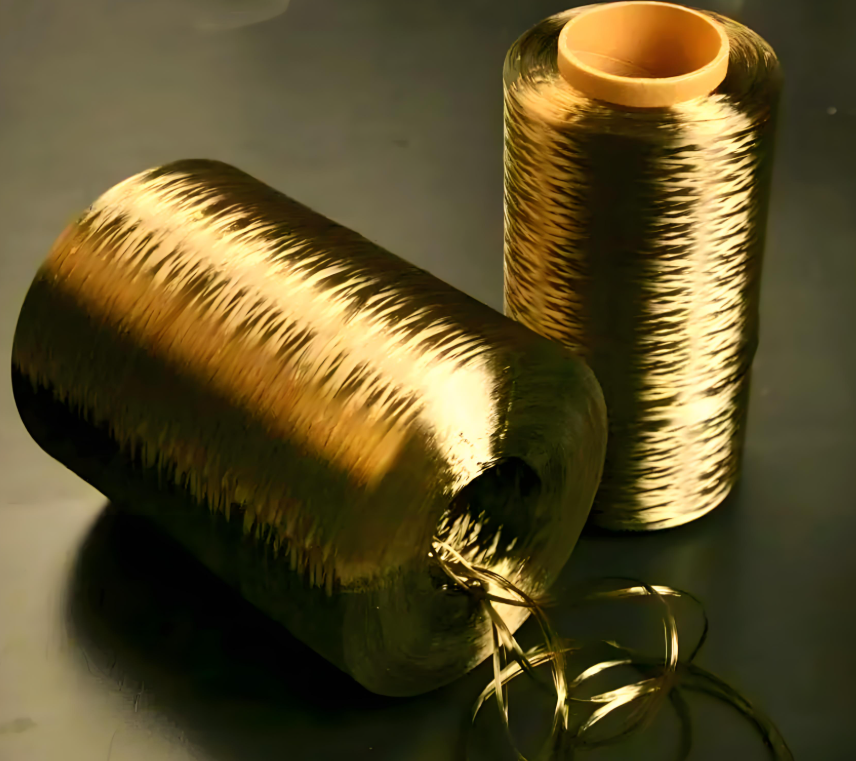
- Industrial-Grade High-Strength Basalt Fiber Yarn: With 5-9 μm diameters, this yarn suits applications like protective gloves and filter media, available in weaving-enhanced or resin-enhanced variants for superior mechanical integration.
- Industrial-Grade Basalt Fiber Roving: Designed for composites in wind turbine blades or automotive parts, it provides high stiffness and corrosion resistance, extending product lifecycles. For businesses, these products deliver customizable, high-performance options that reduce operational risks and support innovation.
Conclusion
Basalt fiber composites are reshaping industries by bridging the gap between sustainability and high performance, from ultra-fine innovations to robust high-strength applications. Their role in civil engineering—improving concrete, asphalt, and exhaust systems—demonstrates tangible benefits for decarbonization and efficiency. Companies like JuMeiSheng New Materials amplify this potential through technological leadership and diverse product lines. As R&D continues, basalt composites are poised to expand into emerging fields like renewable energy and smart infrastructure, offering clients a future-proof avenue for growth. Embracing these materials today can unlock significant competitive advantages, driving progress toward a greener, more resilient world.


